Have you ever wondered how to harness the full potential of medicinal mushrooms in your own kitchen? Learning how to make mushroom tinctures at home puts the power of these ancient remedies directly in your hands. Within minutes of reading this guide, you’ll discover just how simple and rewarding the process can be.
Creating your own mushroom tinctures offers several advantages over store-bought options. You’ll save money, control exactly what goes into your extract, and customize potency to your specific needs. Plus, there’s something deeply satisfying about transforming raw mushrooms into concentrated liquid extracts using traditional methods refined over generations.
What are mushroom tinctures?
Mushroom tinctures are concentrated liquid extracts that contain the bioactive compounds from medicinal mushrooms. Unlike cooking mushrooms for food, making homemade mushroom tinctures involves a specific extraction process that pulls out beneficial compounds like beta-glucans, triterpenes, and other medicinal components.
According to a 2023 study in the Journal of Ethnopharmacology, properly prepared mushroom extracts can retain up to 85% of the bioactive compounds found in the original fungi, making tinctures one of the most effective ways to consume medicinal mushrooms.
These liquid extracts provide a convenient, fast-absorbing alternative to mushroom powders or capsules. A typical DIY mushroom tincture allows for precise dosing and can be easily added to beverages, soups, or taken directly under the tongue for maximum absorption.
Essential supplies for DIY mushroom tinctures
Before jumping into making mushroom extracts at home, gather all necessary supplies. Having everything ready beforehand will ensure a smooth, contamination-free process.
For optimal results when making mushroom tinctures at home, choose organic mushrooms whenever possible. A recent survey by the American Botanical Council found that 68% of commercial medicinal mushrooms contained trace pesticides, making home preparation with carefully sourced ingredients increasingly attractive.
Choose the best mushrooms for homemade tinctures
Selecting the right mushrooms is crucial for creating effective homemade mushroom tinctures. While you can tincture nearly any medicinal mushroom, some varieties are particularly well-suited for home extraction.
Top mushrooms for DIY tinctures:
Reishi (Ganoderma lucidum): Perfect for beginners learning how to make mushroom tinctures at home. Reishi contains triterpenes that require alcohol extraction and polysaccharides that need hot water, making it ideal for dual extraction practice.
Lion’s Mane (Hericium erinaceus): Known for supporting brain health, lion’s mane yields excellent results in home tinctures. Its beta-glucans extract well in both alcohol and hot water.
Chaga (Inonotus obliquus): Rich in antioxidants, chaga creates a potent home tincture. For best results, break chaga into small pieces before extraction.
Turkey Tail (Trametes versicolor): Studied extensively for immune support, turkey tail is perfect for DIY mushroom extraction and responds well to dual extraction methods.
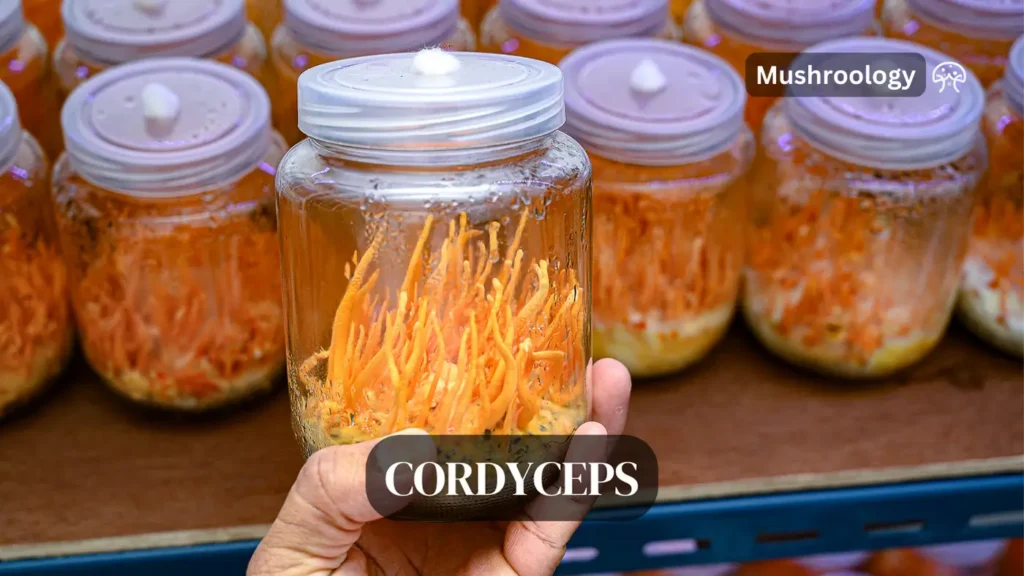
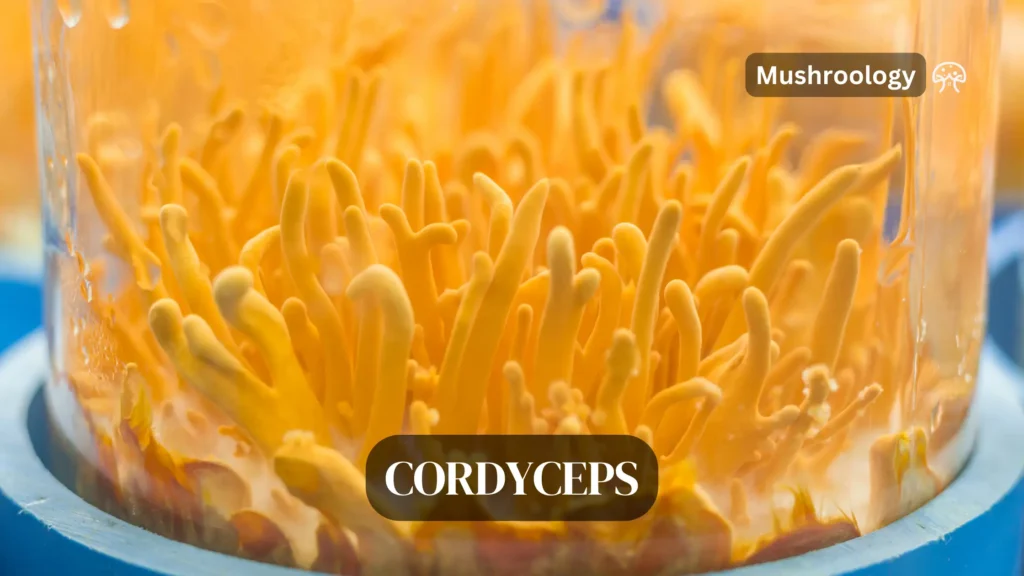
Cordyceps (Cordyceps militaris): While traditionally difficult to find, cultivated cordyceps is now available for home users and makes an energizing tincture.
Whether using store-bought dried mushrooms or ones you’ve foraged or grown yourself, ensure they’re completely dry before beginning the tincture process. Excess moisture can dilute your solvent and potentially introduce contamination to your homemade mushroom extract.
Alcohol-based mushroom tinctures method
The alcohol-based extraction method is the simplest way to start making mushroom tinctures at home. This approach excels at extracting fat-soluble compounds like triterpenes from medicinal mushrooms.
Step-by-Step alcohol Xtraction:
Prepare your mushrooms: Grind your dried mushrooms into a coarse powder using a coffee grinder or food processor. This increases surface area and improves extraction efficiency.
Measure ingredients: Use a 1:5 ratio of mushrooms to alcohol (1 part mushroom to 5 parts alcohol by weight). For example, 50g of dried mushrooms would require 250ml of alcohol.
Select the right alcohol: For homemade mushroom tinctures, use vodka (80-100 proof) for a milder extract or Everclear/grain alcohol (151-190 proof) for maximum extraction power. Higher proof alcohol extracts more compounds but creates a stronger-tasting tincture.
Combine ingredients: Place ground mushrooms in a clean mason jar and pour the measured alcohol over them. Leave about an inch of space at the top of the jar.
Seal and store: Tightly close the jar and shake vigorously for 1-2 minutes. Store in a cool, dark place like a kitchen cabinet—not the refrigerator.
Daily agitation: Shake the jar vigorously for 30 seconds once daily. This motion helps maximize the extraction of medicinal compounds.
Extraction duration: Let the mixture extract for at least 2 weeks. For maximum potency when making mushroom tinctures at home, many herbalists recommend 4-6 weeks of extraction time.
Strain the mixture: Line a strainer with cheesecloth and place over a clean bowl. Pour the tincture through, then gather the cheesecloth and squeeze to extract all liquid.
Filter again: For a clearer tincture, strain again through an unbleached coffee filter.
Bottle and label: Transfer your finished tincture to amber dropper bottles using a small funnel. Label with the mushroom type, alcohol percentage, and date.
According to research from the International Journal of Medicinal Mushrooms, alcohol extractions can preserve active compounds for up to 3 years when stored properly, making this an efficient method for DIY mushroom tinctures.
Troubleshooting Alcohol Extraction:
Problem: Tincture looks cloudy after filtering Solution: Filter a second or third time through progressively finer filters
Problem: Not enough liquid after straining Solution: You may have used too little alcohol initially; add more to achieve proper ratio
Problem: Strong alcohol taste Solution: Allow open jar to evaporate some alcohol for 24-48 hours before final bottling
Hot water extraction method for mushroom tinctures
The hot water extraction method specifically targets water-soluble compounds in medicinal mushrooms, particularly the important beta-glucans and polysaccharides that support immune function. This method creates a different profile of beneficial components compared to alcohol extraction.
Step-by-Step hot water extraction:
Prepare mushrooms: Break or grind dried mushrooms into small pieces (but not as fine as for alcohol extraction).
Measure ingredients: Use a 1:10 ratio of mushrooms to water. For example, 30g of dried mushrooms requires 300ml of distilled water.
Simmer gently: Place mushrooms and water in a non-aluminum pot. Bring to a gentle simmer (not a rolling boil) at approximately 160-180°F (71-82°C).
Maintain temperature: Keep at a low simmer with the lid slightly ajar. Add more water if needed to maintain the original level.
Extraction time: For standard homemade mushroom extracts, simmer for 1-2 hours. For tougher mushrooms like reishi or chaga, extend to 3-4 hours.
Reduce the liquid: After the initial simmer, remove the lid completely and reduce the liquid to approximately half the original volume. This concentrates your DIY mushroom tincture.
First strain: Use a cheesecloth-lined strainer to remove all mushroom pieces.
Second simmer: Return the liquid to the pot and simmer again until reduced to about one-quarter of your starting volume.
Final strain: Strain once more through a coffee filter to remove any remaining particles.
Preservation: While still hot (but not boiling), add 25% alcohol by volume to preserve your extract. For example, add 25ml of high-proof vodka to 75ml of mushroom extract.
Bottle and label: Transfer to amber bottles and label with contents and date.
A 2022 study in the Journal of Fungi found that hot water extraction increased the bioavailability of beta-glucans by up to 60% compared to raw mushroom consumption, confirming the effectiveness of this method for making mushroom tinctures at home.
Hot Water Extraction Tips:
Never use aluminum cookware, as it can react with mushroom compounds
Maintain a gentle simmer—vigorous boiling can destroy some beneficial compounds
The darker the final liquid, the more concentrated your extraction
If making multiple homemade mushroom tinctures, label each clearly as different mushrooms require different dosing
Dual Extraction: The ultimate method for potent mushroom tinctures
Dual extraction combines both alcohol and hot water methods to create the most complete mushroom tincture at home. This comprehensive approach extracts both water-soluble and alcohol-soluble compounds, resulting in a truly full-spectrum mushroom extract.
Why dual extraction is superior:
Medicinal mushrooms contain two main groups of beneficial compounds:
Alcohol-soluble compounds: Triterpenes, sterols, and some antioxidants
Water-soluble compounds: Beta-glucans, polysaccharides, and glycoproteins
By using both solvents, you don’t miss any of the beneficial compounds when making mushroom tinctures at home. According to research published in Phytochemistry Reviews, dual-extracted mushroom preparations showed 30-40% higher overall bioactive compound content compared to single-extraction methods.
Comprehensive Dual Extraction Process:
First Phase: Alcohol Extraction
Begin with the alcohol extraction method described earlier
Use a 1:4 ratio of mushrooms to alcohol
Extract for 4-6 weeks, shaking daily
Strain and reserve the liquid, but don’t discard the mushroom material
Second Phase: Hot Water Extraction of the Same Mushrooms
Take the alcohol-extracted mushroom material
Add fresh distilled water at a 1:10 ratio
Follow the hot water extraction method detailed above
Simmer for 2-3 hours and reduce by half
Strain and reserve this liquid separately
Combining the Extractions
Reduce the hot water extract further until it equals the volume of your alcohol extract
Let both extracts cool to room temperature
Mix the two extracts together in equal parts
The alcohol content will now be approximately 25-30%, sufficient for preservation
Final Processing
Allow the combined extract to integrate for 24-48 hours
Filter one final time through a fine coffee filter
Bottle in amber glass with dropper tops
Label comprehensively with mushroom type, extraction method, and date
Common Mistakes to Avoid in Dual Extraction:
Rushing the process: Each extraction phase needs adequate time for complete extraction
Improper ratios: Maintain recommended mushroom-to-solvent ratios for optimal potency
Excessive heat: Keep water extractions at a gentle simmer to preserve heat-sensitive compounds
Inadequate filtering: Insufficient filtering can lead to sediment and shortened shelf life
Improper storage: Always store finished homemade mushroom tinctures in dark glass away from heat and light
Clinical herbalist Maria Noel Groves notes that “dual-extracted mushroom tinctures represent the gold standard for DIY mushroom extracts, capturing the full spectrum of medicinal compounds that make these fungi so valuable for wellness support.”
Storage Tips for Homemade Mushroom Tinctures
Proper storage is essential for maintaining the potency and safety of your homemade mushroom tinctures. Following these guidelines will help maximize shelf life and effectiveness.
Best Storage Containers:
Amber or blue glass bottles: Dark-colored glass protects against light degradation. Clear glass should be avoided for long-term storage of any DIY mushroom tincture.
Dropper tops: These allow for precise dosing and minimize air exposure.
Size considerations: Store in smaller bottles (1-2 oz) for regular use, keeping larger backup supplies sealed until needed.
Optimal Storage Conditions:
Temperature: Store between 55-65°F (13-18°C) for optimal preservation. A cool, dark cabinet works well.
Light exposure: Keep away from direct sunlight and artificial light, which can degrade compounds in your mushroom tinctures made at home.
Humidity: Store in a low-humidity environment to prevent mold growth around bottle openings.
Position: Store bottles upright to minimize contact between the liquid and dropper tops.
Shelf life expectations:
Alcohol-based tinctures: When properly made with at least 25% alcohol content, these can last 3-5 years.
Hot water extracts: These typically last 1-2 years with proper alcohol preservation.
Dual extractions: Can remain potent for 2-4 years when stored correctly.
Testing Potency Over Time:
To ensure your homemade mushroom tincture remains effective:
Visual inspection: Check for clarity and color changes
Smell test: Fresh tinctures have a characteristic mushroom aroma that fades with age
Sediment check: While some sediment is normal, excessive particles may indicate degradation
Potency testing: Note the effects of your standard dose—decreasing effects may indicate declining potency
Signs That a Tincture Has Expired:
Unusual cloudy appearance unrelated to natural tincture properties
Strange odor beyond the normal mushroom smell
Visible mold (appears as fuzzy growth, usually white or green)
Significant change in color or separation that doesn’t remix when shaken
Noticeably reduced effectiveness compared to when first made
According to a preservation study by the American Herbalists Guild, properly made and stored mushroom tinctures made at home maintain approximately 85% of their original potency after the first year, and about 50% after three years.
Common Questions About Making Mushroom Tinctures at Home
Q: What’s the difference between mushroom tinctures and extracts?
A: While often used interchangeably, technically a tincture uses alcohol as a solvent, while extracts can use various solvents including alcohol, water, or glycerin. Most homemade mushroom tinctures are actually dual extracts, using both alcohol and water for maximum extraction of beneficial compounds.
Q: Can I use fresh mushrooms instead of dried for making tinctures?
A: Yes, but the process and ratios differ. Fresh mushrooms contain significant water already, which dilutes your alcohol solution. If using fresh mushrooms, increase your alcohol to mushroom ratio to 10:1 rather than 5:1, and use higher proof alcohol (at least 100 proof). However, for consistency and potency, dried mushrooms are generally recommended for making mushroom tinctures at home.
Q: Are homemade mushroom tinctures as effective as commercial products?
A: When made properly, DIY mushroom tinctures can be just as effective as commercial products—and sometimes more so. A 2023 consumer laboratory analysis found that many commercial mushroom products contained significantly less active compounds than claimed on their labels, while properly made home extracts contained consistent levels of beneficial compounds.
Q: How do I determine the right dosage for my homemade tincture?
A: Start with 10-15 drops (approximately 0.5-0.75ml) of your homemade mushroom tincture 1-2 times daily. Observe effects for two weeks before adjusting. Everyone responds differently to medicinal mushrooms, so personalization is key. Those with specific health concerns should consult healthcare practitioners for individualized guidance.
Q: Can I mix different mushroom species in one tincture?
A: Absolutely! Creating custom blends is one of the benefits of making mushroom tinctures at home. Medicinal mushrooms often work synergistically. Popular combinations include reishi and turkey tail for immune support, or lion’s mane and cordyceps for cognitive and energy benefits. Just ensure you track percentages of each mushroom for consistent results.
Q: Is it cost-effective to make mushroom tinctures at home?
A: Yes. Analysis shows that DIY mushroom tinctures cost approximately 30-60% less than comparable commercial products. A 2oz bottle of dual-extracted mushroom tincture typically costs $25-45 commercially, while the homemade equivalent costs $8-15 in materials, depending on mushroom varieties used.
Q: Can I make non-alcoholic mushroom tinctures?
A: While true tinctures require alcohol, you can create effective alcohol-free extracts using vegetable glycerin or extended hot water extraction methods. Note that these typically have shorter shelf lives (6-12 months) and may not extract all compounds available in alcohol-based methods.
Your journey to homemade mushroom tinctures
Learning how to make mushroom tinctures at home empowers you to create personalized, potent extracts that support your wellness goals. Whether you choose the simplicity of alcohol extraction, the traditional approach of hot water extraction, or the comprehensive benefits of dual extraction, you now have the knowledge to create high-quality mushroom tinctures in your own kitchen.
Remember that making DIY mushroom tinctures is both a science and an art. Each batch you create builds your experience and intuition about the process. Don’t be afraid to take notes on your methods and results, adjusting future batches to better meet your needs and preferences.
The most valuable aspect of creating mushroom tinctures at home is the connection it builds to these remarkable healing fungi and the ancient traditions of herbal medicine that have utilized them for thousands of years. There’s profound satisfaction in transforming raw mushrooms into concentrated extracts with your own hands—a process that connects you to generations of traditional herbalists and healers.
Ready to begin your mushroom tincture-making journey? Start with a single variety that interests you most, using the straightforward alcohol extraction method. As your confidence grows, experiment with different extraction techniques and mushroom varieties to develop your perfect homemade mushroom tincture.
Mushroom tinctures have surged in popularity as more people discover the concentrated wellness benefits of medicinal fungi. These liquid extracts offer a potent way to access the health-supporting compounds found in mushrooms like reishi, lion’s mane, and chaga. In fact, the global mushroom market is projected to reach $78.7 billion in 2025, with medicinal mushroom products leading this growth at 9.5% annually.
What are mushroom tinctures?
A mushroom tincture is a concentrated liquid extract made by soaking mushroom parts in a solvent—typically alcohol, water, or a combination of both. This process draws out the mushrooms’ bioactive compounds, creating a potent solution that’s easy to consume and absorb.
Tinctures are highly concentrated, allowing you to receive the benefits of medicinal mushrooms in just a few drops. They’re typically dark in color and have a distinct earthy flavor that varies depending on the mushroom species used.
Why choose mushroom tinctures over powders or capsules?
Mushroom tinctures differ from other mushroom products in several key ways:
Powders are dried and ground mushrooms that contain the whole fruiting body. While convenient, they may have lower bioavailability than tinctures.
Capsules contain mushroom powder in a convenient pill form but may take longer to digest and absorb.
Teas are water extractions that capture water-soluble compounds but miss those that are only alcohol-soluble.
Tinctures extract both water-soluble and alcohol-soluble compounds, making them more comprehensive. They also have excellent absorption rates since they’re already in liquid form.
According to a 2021 study published in the Journal of Fungi, liquid extracts like tinctures showed 30% higher bioavailability of certain mushroom compounds compared to powder forms.
Mushroom tinctures stand out from other supplements because:
Better absorption: Liquid form means your body absorbs beneficial compounds faster.
Convenience: Easy to dose and carry anywhere.
Comprehensive extraction: Tinctures extract both water-soluble and alcohol-soluble compounds, capturing the full spectrum of benefits.
How tinctures work in your body
When you consume a mushroom tincture, the extracted compounds enter your bloodstream quickly—often within 15-30 minutes. Because the active ingredients are already extracted and suspended in liquid, your digestive system doesn’t need to break down fibrous mushroom material.
The alcohol in many tinctures also helps preserve the compounds and enhances absorption through the mucous membranes in your mouth when held under your tongue (sublingual administration).
Key compounds in mushroom tinctures
Medicinal mushrooms contain several important bioactive compounds that contribute to their health benefits. Here’s what you’ll find in most mushroom tinctures:
Beta-Glucans
Beta-glucans are complex polysaccharides found in the cell walls of many mushrooms. These compounds are perhaps the most studied of all mushroom components due to their impressive immune-modulating properties.
Enhance the activity of natural killer cells and macrophages
Help regulate immune response
Support the body’s defense against pathogens
Beta-glucans are water-soluble, which is why hot water extraction is an important part of making effective mushroom tinctures.
Terpenoids
Terpenoids are a diverse group of compounds that give many mushrooms their distinctive smell and flavor. More importantly, they contribute significantly to medicinal effects.
These compounds are primarily alcohol-soluble, which is why alcohol extraction is crucial for a complete tincture. Terpenoids found in medicinal mushrooms have demonstrated:
Anti-inflammatory properties
Neuroprotective effects
Antioxidant capabilities
Phenolic compounds
Phenolic compounds act as powerful antioxidants, helping to neutralize harmful free radicals in the body. A 2019 analysis in Food Chemistry found that many medicinal mushrooms contain high concentrations of phenolic compounds, with extraction methods significantly affecting their availability.
These compounds can help:
Combat oxidative stress
Support cellular health
Promote longevity
Other beneficial molecules
Depending on the mushroom species, tinctures may also contain:
Triterpenes: Found abundantly in reishi mushrooms, these compounds have adaptogenic properties.
Hericenones and erinacines: Present in lion’s mane mushroom and known for their potential to support brain health.
Cordycepin: A unique compound in cordyceps that has been studied for its energy-supporting properties.
Benefits of mushroom tinctures
1. Enhanced bioavailability
One of the primary advantages of tinctures is improved bioavailability—the rate and extent to which active compounds enter your bloodstream. The extraction process breaks down the mushroom’s chitin cell walls (which humans cannot digest easily), making the beneficial compounds more accessible.
A comparative study in the Journal of Ethnopharmacology found that liquid extracts delivered up to 60% higher concentrations of certain mushroom compounds in the bloodstream compared to consuming the same amount of dried mushroom.
2. Longer shelf life and convenience
Mushroom tinctures typically last 2-5 years when stored properly, significantly longer than fresh or dried mushrooms. The alcohol content acts as a natural preservative, preventing bacterial growth and oxidation.
Taking tinctures is also remarkably convenient:
No preparation time (unlike cooking with mushrooms or making tea)
Easy to transport in small bottles
Precise dosing with dropper caps
Can be added to beverages or taken directly
3. Customizable potency and combinations
When making tinctures at home, you can adjust the concentration by using more mushroom material or extending the extraction time. This allows you to create products tailored to your specific needs.
You can also create custom blends by combining different mushroom tinctures. For example:
Lion’s mane and reishi for cognitive support and stress management
Chaga and turkey tail for immune function
Cordyceps and maitake for energy and metabolic health
4. Cost-effectiveness vs. commercial options
While high-quality commercial mushroom tinctures can cost between $30-$70 per ounce, making your own can reduce this cost by 50-70%. A homemade dual-extraction tincture using $20 worth of dried mushrooms can yield approximately 16 ounces of product—equivalent to over $200 worth of commercial tinctures.
Who should consider using mushroom tinctures
Mushroom tinctures can be particularly beneficial for:
Busy professionals seeking cognitive support or stress management
Athletes looking for recovery and performance benefits
Wellness enthusiasts interested in preventative health approaches
Those with immune concerns seeking natural support options
People who dislike the taste or texture of whole mushrooms
Potential contraindications and precautions of mushroom tinctures
While mushroom tinctures are generally considered safe for most people, certain individuals should exercise caution:
Those taking blood-thinning medications: Some mushrooms like reishi may have mild anticoagulant effects.
People with alcohol sensitivities: Alcohol-based tinctures may not be appropriate.
Individuals with mushroom allergies: Even extracted products may trigger allergic reactions.
Pregnant or nursing women: Limited research exists on the safety of concentrated mushroom extracts during these periods.
According to a 2022 review in Frontiers in Pharmacology, most adverse reactions from mushroom supplements are mild and rare, but it’s always best to proceed with caution when trying new supplements.
When to consult healthcare providers
Always speak with a healthcare professional before starting mushroom tinctures if you:
Have a pre-existing medical condition
Take prescription medications
Are planning surgical procedures (some mushrooms may affect blood clotting)
Experience any unexpected symptoms after starting tinctures
A healthcare provider can help determine appropriate dosages and monitor for potential interactions with medications or health conditions.
Getting started with mushroom rinctures
To get started with mushroom tinctures, you’ll need:
Basic equipment:
Glass mason jars (amber or cobalt blue preferred to protect from light)
Fine mesh strainer
Cheesecloth or coffee filters
Amber glass dropper bottles for storage
Funnel (preferably glass or stainless steel)
Label materials
Ingredients:
Dried medicinal mushrooms (organic and properly identified)
High-proof alcohol (vodka, brandy, or food-grade ethanol, 80-100 proof)
Filtered water
Choose quality mushrooms
The quality of your mushrooms directly impacts the quality of your tincture. Look for:
Organic certification to avoid pesticide residues
Whole mushroom products rather than mycelium grown on grain
Proper identification from reputable suppliers
Certificate of analysis showing beta-glucan content and testing for contaminants
Wild-harvested mushrooms should only be used if you’re confident in your identification skills or have had them verified by an expert mycologist.
Brief overview of extraction methods
There are three main methods for creating mushroom tinctures:
Alcohol extraction: Captures alcohol-soluble compounds like triterpenes and some phenolics.
Hot water extraction: Extracts water-soluble compounds like beta-glucans and polysaccharides.
Dual extraction: Combines both methods for the most complete extraction of beneficial compounds.
For most medicinal mushrooms, dual extraction is recommended to capture the full spectrum of beneficial compounds. This process typically involves first extracting with alcohol, then performing a hot water extraction, and finally combining the two liquids.
To maintain potency and extend shelf life:
Store tinctures in amber or blue glass bottles to protect from light
Keep in a cool, dark place like a cabinet or pantry
Avoid exposure to heat or direct sunlight
Ensure droppers don’t touch your mouth to prevent contamination
Label bottles with contents and date of production
Properly stored mushroom tinctures can remain potent for 2-5 years, though they’re typically most potent in the first 2 years.
Final thoughts
Mushroom tinctures offer a convenient, effective way to incorporate the benefits of medicinal mushrooms into your daily routine. With higher bioavailability, longer shelf life, and customizable options, they represent an accessible entry point into the world of functional fungi.
Whether you’re interested in immune support, cognitive enhancement, stress management, or overall wellness, mushroom tinctures provide a concentrated form of nature’s pharmacy. By understanding the fundamentals covered in this guide, you’re now equipped to make informed decisions about incorporating mushroom tinctures into your health regimen.
In our next article, we’ll dive deeper into the step-by-step process of making your own mushroom tinctures at home, including detailed instructions for each extraction method and tips for creating the most potent formulations.
Ready to experience the benefits of mushroom tinctures for yourself? Start by researching quality suppliers of medicinal mushrooms or look for reputable commercial tinctures to try before making your own.
Frequently Asked Questions
How quickly do mushroom tinctures work?
Some effects, like improved energy or focus, may be noticeable within 30-60 minutes of consumption. Other benefits, particularly immune and adaptogenic effects, typically develop with consistent use over 2-4 weeks.
How much mushroom tincture should beginners take?
Most experts recommend starting with 1-2 droppers (approximately 1-2 ml) once or twice daily. Begin with smaller amounts and gradually increase to assess your individual response.
Can I take different mushroom tinctures together?
Yes, different mushroom tinctures can be combined for complementary effects. Many users create morning and evening blends tailored to their specific health goals.
Are alcohol-free mushroom tinctures effective?
Glycerin-based or apple cider vinegar tinctures can be alternatives to alcohol, though they may not extract all compounds as effectively. Water extracts (decoctions) are another alcohol-free option but may have shorter shelf lives.
What’s the difference between a mushroom tincture and extract?
All tinctures are extracts, but not all extracts are tinctures. Tinctures specifically use alcohol as at least one of the solvents, while extracts can use various solvents like water, vinegar, or glycerin.
Master’s Mix is revolutionizing how home growers and commercial cultivators produce gourmet mushrooms. This powerful substrate formula offers impressive yields and works with a wide variety of mushroom species.
In this comprehensive guide, you’ll learn exactly what Master’s Mix is, how to make it from scratch, which mushrooms thrive on it, and how to troubleshoot common issues.
What is Master’s Mix?
Master’s Mix is a high-performance mushroom substrate consisting of 50% hardwood sawdust or pellets and 50% soybean hulls (by dry weight). This balanced mixture provides ideal nutrition for mushroom growth while maintaining proper moisture retention and gas exchange.
The formula typically includes:
50% hardwood fuel pellets or fine sawdust
50% soybean hulls
Water (usually 60-65% moisture content)
This substrate has gained popularity among both hobby growers and commercial operations due to its efficiency and reliability. The combination of hardwood and soybean hulls creates the perfect environment for many gourmet mushroom varieties.
Who invented Master’s Mix?
Master’s Mix was developed by T.R. Davis, a renowned mushroom cultivator and owner of Mushroom Mountain in South Carolina. Davis created this formula to maximize yields while keeping production costs manageable.
The name “Master’s Mix” reflects its status as a superior substrate formulation. Davis shared this recipe with the mushroom growing community, and it quickly became a standard in the industry.
Since its development, many growers have adapted the basic formula to suit specific mushroom species or to work with locally available materials. However, the core concept of balancing hardwood with nitrogen-rich soybean hulls remains the foundation of all these variations.
Which mushrooms grow well on a Master’s Mix substrate?
Master’s Mix works exceptionally well for a wide range of gourmet mushrooms. Here are some of the top performers:
These species thrive on the balanced nutrition provided by the hardwood and soybean hull combination. The substrate’s texture also allows for proper mycelium development and fruiting.
Pros and cons of Master’s Mix
Before diving into the preparation process, let’s examine the advantages and disadvantages of using Master’s Mix for mushroom cultivation.
Pros
Master’s Mix offers several significant benefits:
Higher yields compared to traditional hardwood substrates, often 2-3 times more mushrooms per bag.
Faster colonization times due to the balanced nutrition, reducing the risk of contamination.
Works well for a wide variety of mushroom species, making it versatile for growers who cultivate multiple types.
Consistent results when prepared properly, leading to more predictable harvests.
Cost-effective when ingredients are purchased in bulk, especially for commercial operations.
Readily available ingredients that can be sourced from agricultural suppliers in most regions.
Cons
Despite its many advantages, Master’s Mix does have some drawbacks:
Requires proper sterilization equipment, as the high nutrition content can attract contaminants.
More expensive than basic sawdust substrates if you’re only growing small amounts.
Soybean hulls can be difficult to source in some regions or during certain times of the year.
Preparation is more involved than simpler substrates like straw or cardboard.
Not ideal for all mushroom species, particularly those that prefer a less nutritious substrate.
Requires careful moisture management to prevent bacteria growth.
How to Make Master’s Mix Step by Step
Creating your own Master’s Mix is straightforward once you have the proper ingredients and equipment. Follow these steps for the best results.
Step 1: Gather Supplies
Before you begin, make sure you have everything you need.
Ingredients
For a standard batch of Master’s Mix (approximately 5 lbs dry weight):
2.5 lbs hardwood fuel pellets or fine sawdust
2.5 lbs soybean hulls
5-6 quarts of water (adjust based on moisture levels of your ingredients)
Equipment
You’ll need the following tools:
Large mixing container or tub
Scale for accurate measurements
Heat-resistant grow bags with filter patches
Pressure cooker or autoclave for sterilization
Measuring cups for water
Clean work area and gloves
Impulse sealer (optional but recommended)
Having everything ready before you start helps prevent contamination and ensures a smooth preparation process.
Step 2: Weigh or Measure the Dry Ingredients
Accuracy is crucial for consistent results. Use a scale to measure out equal parts of hardwood pellets and soybean hulls.
If using hardwood pellets, remember they will expand significantly when water is added. Make sure your mixing container is large enough to accommodate this expansion.
For smaller batches, maintain the 50:50 ratio while adjusting the total weight. For example, a 2-pound batch would use 1 pound of each ingredient.
Step 3: Add Water
Proper hydration is critical for successful Master’s Mix. Add water gradually while mixing to achieve the right consistency.
The goal is approximately 60-65% moisture content. A simple field test: squeeze a handful of the mix – a few drops of water should come out, but it shouldn’t be dripping wet.
If using hardwood pellets, add water slowly as they absorb moisture and expand. This usually takes about 10-15 minutes of mixing and waiting.
Keep in mind that soybean hulls typically hold more moisture than sawdust, so adjust your water accordingly if changing the ratio.
Step 4: Mix and Load Into Bags
Once properly hydrated, thoroughly mix the ingredients to ensure even distribution. Load the mixture into heat-resistant grow bags with filter patches.
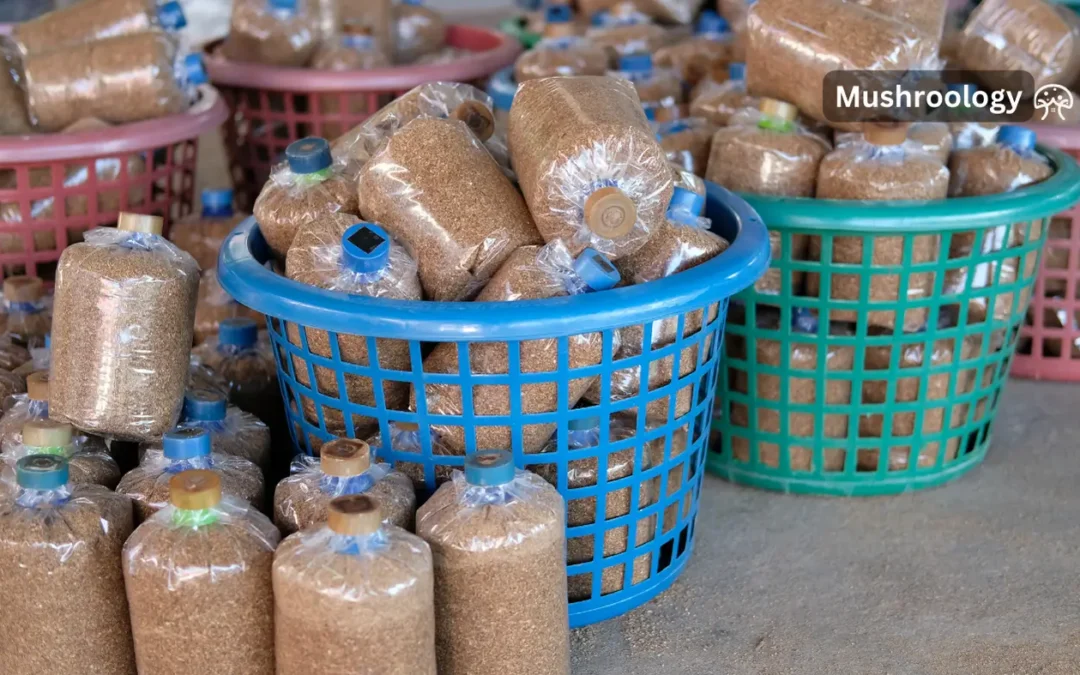
Fill each bag about 2/3 full to allow room for expansion during sterilization and for the mycelium to breathe. Most growers use 5-pound bags for this purpose.
Remove as much air as possible from the bags before sealing. An impulse sealer works best, but you can also use the bag’s built-in ties or heat-resistant tape.
Step 5: Sterilize Your Substrate
This step is crucial for success with Master’s Mix due to its high nutritional content.
How Do You Sterilize Master’s Mix?
For proper sterilization:
Place the filled bags in your pressure cooker or autoclave.
Add water to the recommended level in your pressure cooker (usually 1-2 inches).
Sterilize at 15 PSI for 2.5 hours. This longer time is necessary due to the density and nutritional content of Master’s Mix.
Allow the pressure cooker to cool naturally before opening.
Once cooled, remove the bags and let them reach room temperature before inoculation.
Never rush the sterilization process. Proper sterilization eliminates competing organisms that could contaminate your grow.
After sterilization, the substrate should have a slightly caramelized smell and a darker color. This is normal and indicates that the sugars in the mixture have caramelized under heat.
Common issues when making and using Master’s Mix
Even experienced growers encounter problems occasionally. Here are solutions to the most common issues with Master’s Mix.
1. Contamination
Contamination is the most common problem and can occur at two main stages.
Sterilization
Insufficient sterilization often leads to contamination. To prevent this:
Ensure your pressure cooker maintains 15 PSI for the entire 2.5 hours.
Don’t overpack the pressure cooker, as this can create cold spots.
Use quality grow bags with proper filter patches.
Consider extending sterilization time for larger bags or denser packing.
If you notice green, black, or pink mold growth, discard the contaminated bags away from your growing area to prevent spreading spores.
Inoculation
The inoculation process introduces another contamination risk. Follow these guidelines:
Work in a clean environment, preferably with a flow hood or still air box.
Sterilize all tools with 70% isopropyl alcohol before use.
Wear gloves and a mask when handling sterilized substrate.
Inoculate quickly to minimize exposure time.
Use clean spawn from reputable sources.
If contamination persists despite these precautions, deep clean your work area and consider using a higher quality spawn source.
2. Slow Colonization
If your mycelium grows slowly, several factors may be responsible:
Temperature: Most mushroom species colonize best between 70-75°F (21-24°C). Temperatures outside this range can slow growth.
Moisture content: Substrate that’s too wet or too dry will slow colonization. Aim for the field capacity test mentioned earlier.
Spawn ratio: Using too little spawn relative to substrate can extend colonization time. A 1:5 or 1:10 spawn-to-substrate ratio works well for most species.
Substrate compaction: Packing the substrate too tightly restricts air flow. Master’s Mix should be firm but not compacted.
Genetic factors: Some mushroom strains naturally colonize more slowly than others. Research the specific growth patterns of your chosen species.
To speed up colonization, maintain optimal growing conditions and increase your spawn ratio for future batches.
Final Thoughts
Master’s Mix has revolutionized gourmet mushroom cultivation by providing a reliable, high-performing substrate that works for numerous species. While it requires some specialized equipment and careful preparation, the impressive yields and consistent results make it well worth the effort.
Remember that successful mushroom cultivation is both a science and an art. Keep detailed records of your process, results, and any adjustments you make. This information will help you refine your technique over time.
Whether you’re a hobby grower or planning a commercial operation, mastering this substrate formula will significantly improve your mushroom cultivation journey. Start with smaller batches to perfect your technique, then scale up as you gain confidence and experience.
With patience, attention to detail, and the knowledge shared in this guide, you’ll be harvesting abundant, healthy mushrooms from your Master’s Mix substrate in no time. Happy growing!
Are you tired of finding slimy, spoiled mushrooms in your fridge? Nothing is more disappointing than discovering your expensive fungi have gone bad before you could use them. In this guide, you’ll learn exactly how to select, store, and preserve mushrooms to maximize their freshness and flavor.
With the right storage techniques, you can extend the life of your mushrooms from just a few days to over a week. We’ll cover everything from refrigeration methods to freezing options for long-term storage.
How to select the best fresh mushrooms
Before we dive into storage methods, let’s start with selection. Choosing the freshest mushrooms at the store sets you up for success.
Look for mushrooms with smooth, unblemished caps. They should be dry but not dried out, with a firm texture when gently squeezed. Avoid mushrooms with dark spots, bruises, or any signs of moisture.
The gills (the underside of the cap) should be intact and not overly dark. For closed mushrooms like button or cremini varieties, the caps should be tightly closed to the stem.
Fresh mushrooms should have a pleasant, earthy smell. If they smell sour or ammonia-like, they’re already starting to spoil.
How to tell if mushrooms are bad
Knowing when to toss mushrooms is just as important as knowing how to store them. Here are clear signs your mushrooms have gone bad:
Slimy texture: If mushrooms feel slimy or sticky, they’re past their prime.
Dark spots: Brown or black discoloration indicates decay.
Strong odor: Fresh mushrooms have a mild smell. A pungent or ammonia-like odor means they’re spoiled.
Wrinkled appearance: Excessive wrinkles or shriveling suggests they’ve dried out.
Mold growth: Any visible mold means the mushrooms should be discarded immediately.
When in doubt, throw them out. Eating spoiled mushrooms can cause food poisoning and is never worth the risk.
How do you keep mushrooms fresh longer?
Extending the life of your mushrooms comes down to three main principles. Let’s explore each one.
1. Prevent the mushrooms from drying out
Mushrooms have high water content, but they can dry out quickly in the wrong conditions. To prevent this:
Store them in a container that allows some air circulation but doesn’t expose them completely. This balances moisture retention with proper ventilation.
Check your refrigerator settings. The ideal humidity for mushroom storage is around 85-90%, which is higher than most refrigerators’ default setting.
2. Keep the mushrooms away from Xcess moisture
While you want to prevent drying, too much moisture is even worse. Excess moisture leads to sliminess and rapid spoilage.
Never wash mushrooms before storing them. Clean them only when you’re ready to use them. Store-bought mushrooms typically don’t need washing—just a quick brush or wipe with a paper towel is enough.
Avoid storing mushrooms next to fruits and vegetables that release ethylene gas, such as apples, peaches, and tomatoes. This gas can accelerate the aging process.
3. Slow down the decaying process
Mushrooms continue to “breathe” after harvest. Slowing this process helps extend their shelf life.
Keep mushrooms in the coolest part of your refrigerator, typically the middle shelves rather than the door or crisper drawer. The temperature should be around 34-38°F (1-3°C).
Don’t store mushrooms in airtight containers. They need some air circulation to stay fresh, so containers with small ventilation holes are ideal.
How long do mushrooms last?
The shelf life of mushrooms depends on their type and storage method. Here’s a general guide:
Fresh whole mushrooms: 7-10 days when properly stored
Sliced fresh mushrooms: 5-7 days
Cooked mushrooms: 3-5 days
Dried mushrooms: 6-12 months in an airtight container
Frozen mushrooms: 9-12 months
Wild mushrooms typically have a shorter shelf life than cultivated varieties. For example, morels may only last 3-5 days even with proper storage.
How long do mushrooms last in the fridge?
When stored properly in the refrigerator, most common mushroom varieties will stay fresh for 7-10 days. However, this timeframe can vary based on how fresh they were when purchased and the specific storage method used.
Button mushrooms tend to last longer than more delicate varieties like oyster or shiitake mushrooms. Check your mushrooms daily once they’ve been stored for a few days to monitor their condition.
Pre-sliced mushrooms deteriorate faster than whole ones. They typically last only 5-7 days in the refrigerator due to their increased surface area exposed to air.
How to store mushrooms in the fridge
The refrigerator is the best place for short-term mushroom storage. Here’s how to do it properly:
Place mushrooms in the main compartment of your refrigerator, not the crisper drawer. Crisper drawers are designed for vegetables that need high humidity, which can make mushrooms spoil faster.
Set your refrigerator between 34-38°F (1-3°C) for optimal mushroom storage. Higher temperatures speed up deterioration.
Store mushrooms away from strong-smelling foods. Mushrooms can absorb odors from nearby foods, affecting their flavor.
Best storage methods to keep mushrooms fresh
Now let’s look at specific storage methods ranked from good to best.
1. In their original packaging
Store-bought mushrooms often come in containers designed for proper ventilation. If the packaging is intact, you can simply keep them in their original container.
Most commercial mushroom packaging consists of a plastic tray covered with plastic wrap that has small holes for air circulation. This provides a good balance of ventilation and moisture control.
Check the packaging for excess moisture. If there’s condensation inside, transfer the mushrooms to a better storage option.
2. In a container covered with plastic wrap
If you need to transfer mushrooms from their original packaging, a shallow container covered with plastic wrap works well.
Poke a few small holes in the plastic wrap to allow air circulation. This prevents moisture buildup while protecting the mushrooms from drying out.
Choose a container that allows the mushrooms to spread out rather than pile on top of each other. This reduces bruising and slows decay.
3. In Cardboard or Pulp Punnets
Cardboard or pulp containers are excellent for mushroom storage because they absorb excess moisture while allowing air circulation.
If your mushrooms came in a cardboard container, keep them in it. Just make sure it’s dry and clean.
Cover the container loosely with plastic wrap to prevent the mushrooms from drying out too quickly, while still allowing them to breathe.
4. Wrapped in Paper Towels
Paper towels provide an excellent balance of moisture absorption and air circulation for mushroom storage.
Wrap whole, unwashed mushrooms loosely in paper towels. The paper absorbs excess moisture without drying out the mushrooms completely.
Place the wrapped mushrooms in a partially open plastic bag or container. This method works especially well for delicate varieties like shiitake or oyster mushrooms.
5. In Brown Paper Bags
A brown paper bag is perhaps the most recommended storage method by mushroom experts. Here’s why:
Paper bags allow mushrooms to breathe while absorbing excess moisture. The porous nature of paper creates the ideal environment for mushroom storage.
Simply place clean, dry mushrooms in a brown paper bag, fold the top down loosely, and store in the refrigerator. The bag shouldn’t be sealed tightly—mushrooms need some air circulation.
Replace the bag if it becomes damp. A wet paper bag can transfer moisture back to the mushrooms, accelerating spoilage.
6. In Cotton Mushroom Bags
Specialised cotton mushroom bags are becoming popular among mushroom enthusiasts. These reusable bags are designed specifically for fungus storage.
Cotton bags provide excellent breathability while maintaining the right humidity level. They’re especially good for wild mushrooms that need more air circulation.
These bags are environmentally friendly and can be washed and reused. While they cost more upfront, they’re a good investment if you frequently buy mushrooms.
How to store mushrooms long term
For long-term storage, you have several options beyond refrigeration.
Drying is an excellent preservation method. Dried mushrooms can last 6-12 months when stored in an airtight container in a cool, dark place.
To dry mushrooms, slice them thinly and use a food dehydrator, or place them on a baking sheet in an oven set to the lowest temperature (usually around 170°F/75°C) with the door slightly ajar.
Mushrooms can also be pickled or marinated for long-term storage. The acidic environment prevents bacterial growth and preserves the mushrooms for several months.
Can you freeze mushrooms?
Yes, you can freeze mushrooms, but they should be cooked first for the best results.
Raw mushrooms don’t freeze well because their high water content forms ice crystals that rupture cell walls, resulting in a mushy texture when thawed.
To freeze mushrooms:
Clean and slice the mushrooms.
Sauté them briefly in butter or oil until they release their moisture.
Let them cool completely.
Place in freezer-safe containers or bags, removing as much air as possible.
Label with the date and use within 9-12 months.
Frozen mushrooms are best used in cooked dishes like soups, stews, and casseroles where texture changes won’t be noticeable.
For small button or cremini mushrooms, you can also blanch them whole before freezing. Drop them in boiling water for 1-2 minutes, then immediately cool in ice water before freezing.
Proper mushroom storage is simple once you understand the basic principles. Remember that mushrooms need to breathe but shouldn’t dry out completely, and they should stay cool but not wet.
For most home cooks, the brown paper bag method offers the best balance of convenience and effectiveness. Simply place your mushrooms in a paper bag in the refrigerator, and they’ll stay fresh for up to a week.
When you’re ready to use your mushrooms, never soak them in water. Instead, gently brush off any dirt or briefly rinse and immediately pat dry with paper towels.
With these storage techniques, you’ll get the most out of your mushrooms, reduce food waste, and always have fresh fungi ready for your culinary creations.
Whether you’re a gourmet chef or simply enjoy adding mushrooms to your everyday meals, proper storage ensures you’ll always have fresh, flavorful fungi on hand when inspiration strikes.
Here are the key scientific findings and research related to the potential health benefits of cordyceps mushrooms:
Cordyceps benefits for athletes
Several studies suggest cordyceps can boost exercise performance and reduce fatigue:
A 2016 study found that three weeks of cordyceps militaris supplementation significantly improved tolerance to high-intensity exercise in healthy adults.
Cordyceps may increase VO2 max (maximum oxygen consumption) and ventilatory threshold, allowing more oxygen uptake and less fatigue during exercise.
Cordyceps contains adenosine and cordycepin which are thought to increase ATP production, providing more energy to muscles.
However, benefits may be greater in less-trained individuals compared to elite athletes.
Cordyceps anti-aging and antioxidant affects
Cordyceps demonstrates anti-aging potential, likely due to its antioxidant properties:
Studies in aged mice show cordyceps boosted antioxidant levels, and improved sexual function and memory.
Mice given cordyceps lived longer compared to control groups in some studies.
Research presented by Nu Skin Enterprises found cordyceps sinensis opposed age-related changes in gene expression in muscle and brain tissue of mice.
The antioxidant effects may combat oxidative stress and damage that contributes to aging.
Animal studies show cordyceps lowers total cholesterol, LDL cholesterol and triglyceride levels.
Cordyceps may help regulate arrhythmia (irregular heartbeat) based on one clinical study.
The anti-inflammatory and antioxidant effects are also cardioprotective.
Cordyceps Mushroom for Blood Sugar Management
Cordyceps contains unique polysaccharides that may benefit blood sugar control and diabetes management:
Animal and human studies indicate cordyceps improves insulin sensitivity and reduces blood sugar levels.
One study in diabetic mice found cordyceps extract as effective as the drug metformin.
More clinical trials are needed to confirm these antidiabetic effects in humans.
While many of the studies are preclinical, they provide compelling evidence for cordyceps’ potential to enhance physical performance, combat ageing, reduce inflammation, protect the heart, and manage blood sugar. More human clinical trials will help further validate these effects.
The main bioactive compounds in Cordyceps mushrooms
The main bioactive compounds in Cordyceps mushrooms that contribute to their various health benefits include:
1. Cordycepin (3′-deoxyadenosine) – This nucleoside analog is one of the most well-known and studied compounds in Cordyceps, especially C. militaris. It has been associated with antitumor, antioxidant, anti-inflammatory, antiviral, and ergogenic (performance-enhancing) effects.
2. Polysaccharides – Cordyceps contains unique polysaccharides that exhibit immunomodulatory, antioxidant, anti-inflammatory, antitumor, and hypoglycemic activities.
3. Ergosterol – This sterol, abundant in Cordyceps, has been linked to antitumor properties.
4. Adenosine and other nucleosides – In addition to cordycepin, Cordyceps contains adenosine and other nucleosides that may contribute to its energy-boosting and adaptogenic effects.
5. N6-(2-hydroxyethyl)-adenosine (HEA) – Another nucleoside found in Cordyceps that has received research interest for its potential biological activities.
6. Cordymin – A peptide from C. militaris with anti-inflammatory effects.
7. Amino acids and proteins – Cordyceps is a source of amino acids and bioactive proteins that may support its medicinal properties.
8. Vitamins and minerals – The presence of vitamins (E, K, B1, B2) and minerals in Cordyceps may also play a role in its health effects.
9. Other compounds – Additional constituents like cordycepic acid, γ-aminobutyric acid (GABA), and ergothioneine have been identified in Cordyceps and may have biological activities.
The medicinal properties of Cordyceps mushrooms can be attributed to a wide range of bioactive compounds, with cordycepin, polysaccharides, ergosterol, and other nucleosides being some of the most prominent and well-researched. The combination and synergy of these diverse constituents likely contribute to the multifaceted health benefits associated with Cordyceps in traditional and modern medicine.
Dosage of cordyceps supplements
Based on the information provided in the research results, the recommended dosage of cordyceps supplements can vary depending on the specific product and the reason for use. However, there are some general guidelines:
1. Most human studies have used cordyceps dosages ranging from 1,000 to 3,000 milligrams (1-3 grams) per day.
2. For cordyceps mushroom extract supplements, a typical dose is 0.5-1 gram per day.
3. When using whole cordyceps mushroom products, a common dose is 1-3 grams daily.
4. Therapeutic doses may be higher, around 3-6 grams per day, while maintenance doses are often lower at 1-3 grams daily.
5. It’s best to start with the lowest effective dose, such as 1 gram per day, and gradually increase if needed. Follow the dosing instructions on the specific supplement you are using.
6. Consult with a healthcare provider to determine the optimal dose for your individual needs, especially if you have any underlying health conditions or are taking medications.
While dosages can vary, most people take between 1-3 grams of cordyceps supplements per day, with some taking up to 6 grams for therapeutic purposes under medical supervision. It’s important to use high-quality products and start with a low dose, increasing gradually to assess your tolerance and response.
Age restrictions for taking cordyceps supplements
There are no specific age restrictions mentioned for taking cordyceps supplements. However, there are some important considerations and precautions to keep in mind:
Children should avoid taking cordyceps supplements, as there is no evidence of their effect on children. The safety and appropriate dosage for children has not been established.
Pregnant and breastfeeding women should avoid using cordyceps to stay on the safe side, as there is not enough reliable information about the safety of taking cordyceps during pregnancy and while nursing.
Elderly individuals can take cordyceps, and some studies have even focused on the benefits in older populations. One study gave 999 mg of Cs-4 cordyceps extract per day to healthy elderly individuals aged 50-75 with positive results. However, it’s always best to consult with a healthcare provider to determine if cordyceps is appropriate for an older individual, especially if they have any underlying health conditions or are taking medications.
In general, it’s recommended that people with certain autoimmune diseases like lupus, multiple sclerosis, and rheumatoid arthritis avoid cordyceps or use it cautiously, as it may stimulate the immune system and potentially worsen symptoms. People with bleeding disorders or upcoming surgery should also be cautious.
Effects of cordyceps supplements
The time it takes to see the effects of cordyceps supplements can vary, but some key findings include:
1. One study found that healthy young adults who received 4g of Cordyceps militaris daily improved tolerance to high-intensity exercise after one week. The benefits were even greater (increased maximum oxygen consumption and ventilatory threshold) when supplementation continued for an additional two weeks.
2. Research and feedback from OM Mushrooms customers suggest that results may be seen in as little as one week of cordyceps use, with the best benefits seen with regular use of the recommended daily dose.
3. Since most of the beneficial compounds in cordyceps, including cordycepin, are water-soluble, you may notice the effects almost immediately. The water-soluble substances are absorbed within 24-48 hours, while lipid-soluble substances take 2-4 days to fully absorb.
3. In a study on the effects of cordyceps sinensis supplementation during 12 weeks of aerobic training, improvements in aerobic performance were seen at 12 weeks.
4. Another study found that a one-week supplementation period had minimal effects on physical performance, suggesting that greater benefits may require a longer supplementation period.
Some effects may be noticed as early as one week, the most significant benefits of cordyceps supplementation are typically seen with consistent use over a longer period, such as several weeks to a few months. The time to see results can also depend on the specific benefits being sought and individual factors like dosage and overall health status.
Potential risks and precautions to consider when taking cordyceps supplements
There are a few potential risks and precautions to consider when taking cordyceps supplements, especially for elderly individuals:
1. Bleeding risk: Cordyceps may act as a blood thinner and increase the risk of bleeding, especially in those with bleeding disorders or upcoming surgery. It could also enhance the effects of blood thinning medications. Elderly individuals on blood thinners should be cautious and consult their doctor before taking cordyceps
2. Hypoglycemia: Cordyceps may lower blood sugar levels. When combined with diabetes medications or insulin, it could potentially cause blood sugar to become too low (hypoglycemia). Elderly people with diabetes should be careful and monitor their blood glucose closely if taking cordyceps.
3. Interactions with immunosuppressants: Cordyceps may stimulate the immune system. This could interfere with immunosuppressive drugs taken after organ transplants to prevent rejection. Elderly transplant recipients should avoid cordyceps.
4. Gastrointestinal side effects: Some people may experience mild digestive issues like nausea, vomiting, diarrhea or dry mouth when taking cordyceps supplements. Elderly individuals may be more sensitive to these GI side effects.
5. Lack of safety data: There is limited research on the long-term safety of cordyceps use, especially in elderly populations. More studies are needed to fully understand any potential risks with chronic supplementation in older adults.
6. Quality concerns: Cordyceps supplements are not well regulated, so quality and potency can vary significantly between products. Elderly people should use caution and look for reputable brands to avoid contamination risks.
In summary, while cordyceps is generally considered safe, elderly individuals should be aware of potential risks like bleeding, hypoglycemia, drug interactions, and gastrointestinal side effects. It’s always best for older adults to consult their healthcare provider before starting any new supplements to weigh the potential benefits and risks for their individual medical situation.